

What to See at Chichén Itzá
From El Castillo’s iconic pyramid and the Great Ball Court to the Sacred Cenote, El Caracol observatory, and ancient carvings — here are the essential sights to include in your visit. Some visitors come for the archaeology, others for the Mayan astronomy, the equinox serpent effect, or the sheer scale of this ancient city. Use this guide to choose what to prioritise based on your interests and time.
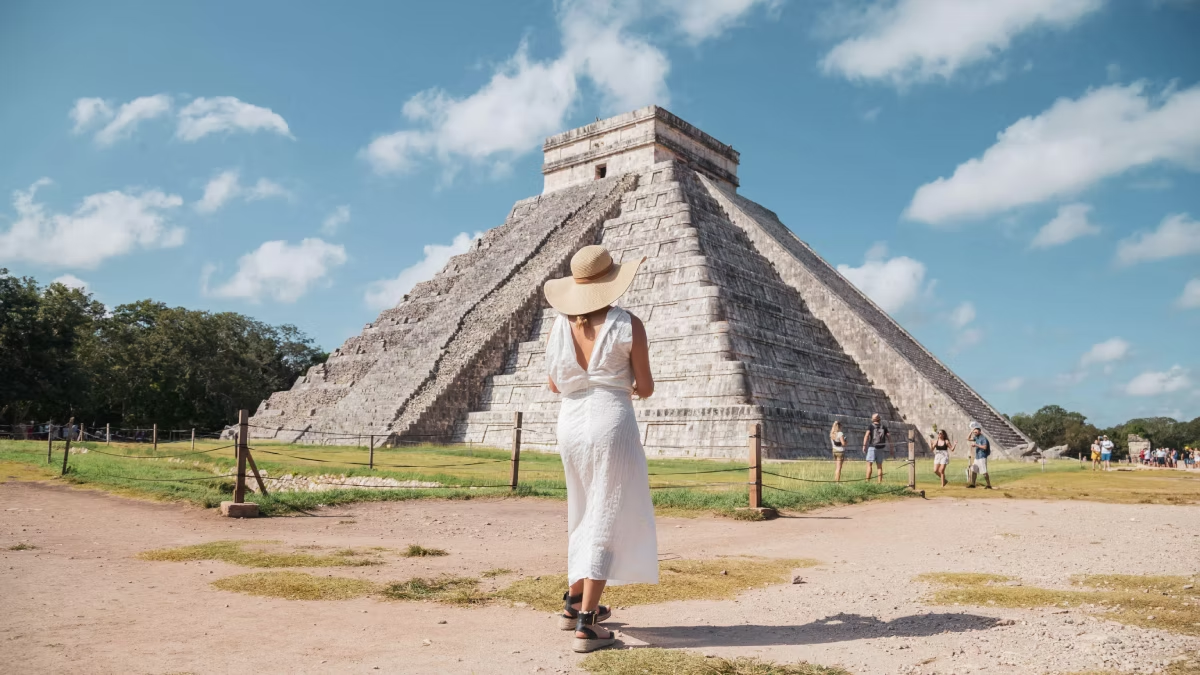
Top Highlights at Chichén Itzá
The headline sights most visitors want to see first — and for good reason.
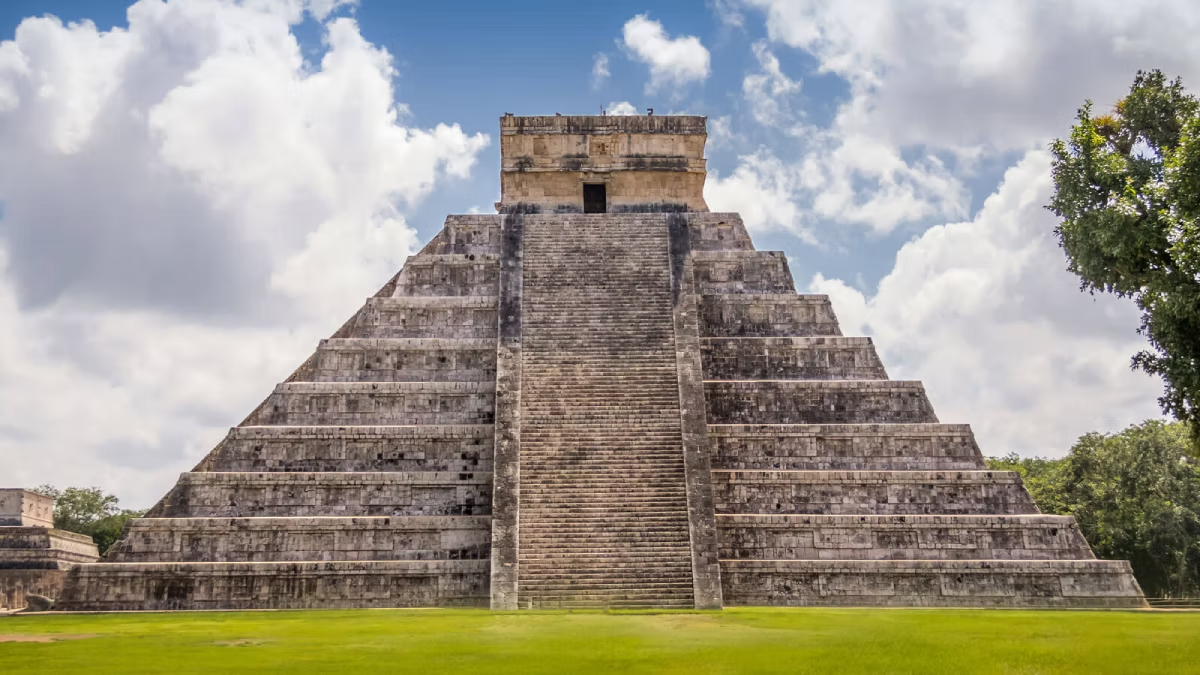
El Castillo — Temple of Kukulcán
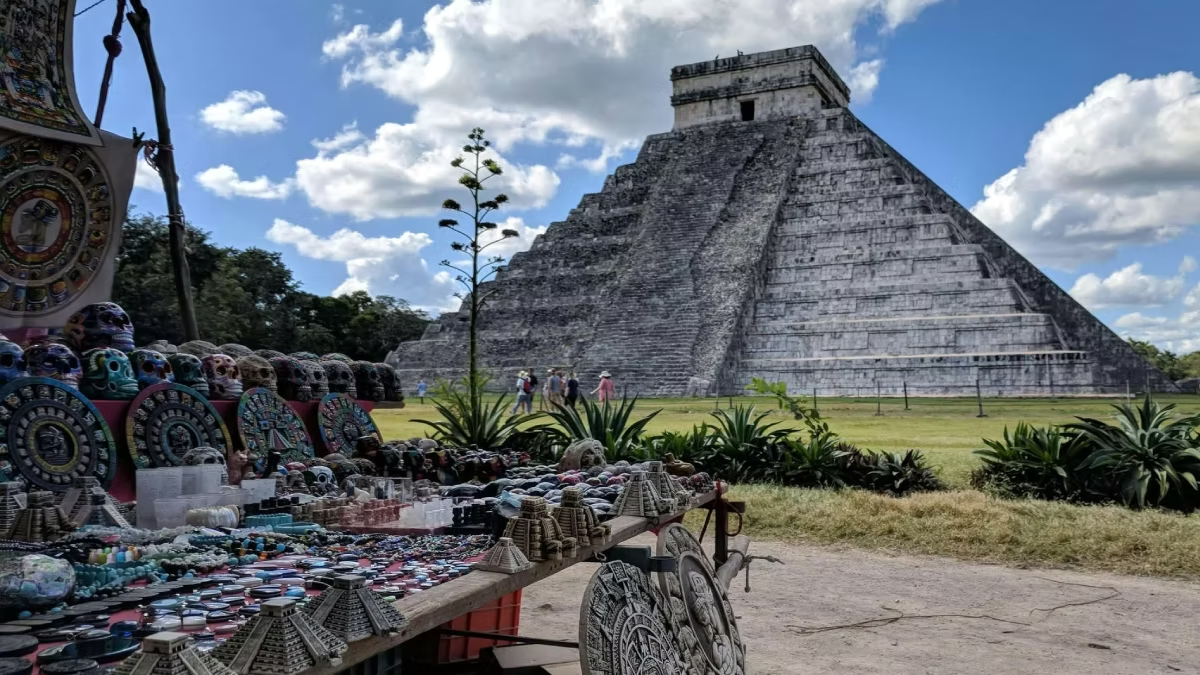
The defining image of Chichén Itzá and one of the New Seven Wonders of the World, El Castillo is a masterpiece of Mayan astronomical precision. Each of its four stairways has 91 steps, totalling 365 with the top platform — one for every day of the solar year. During the spring and autumn equinoxes, the setting sun casts a shadow that creates the illusion of a serpent descending the northern staircase — a phenomenon that draws thousands of visitors each year.
Explore El Castillo →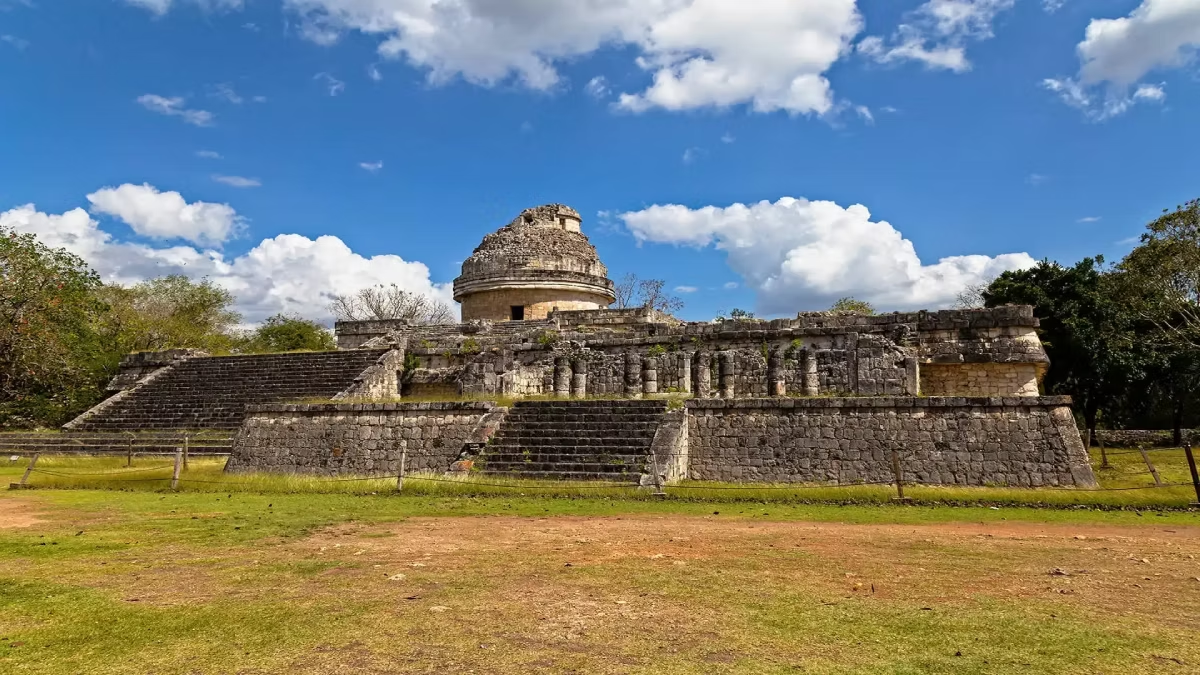
El Caracol — The Observatory
One of the most unusual structures in the entire Mayan world, El Caracol (meaning “the snail” for its spiral interior staircase) served as an astronomical observatory. Its windows are precisely aligned with the movements of Venus, the sun, and the moon. Unlike the angular temples surrounding it, the round tower stands as remarkable evidence of how advanced Mayan science truly was.
Explore El Caracol →The Great Structures
Monumental buildings that defined the power and grandeur of ancient Chichén Itzá.
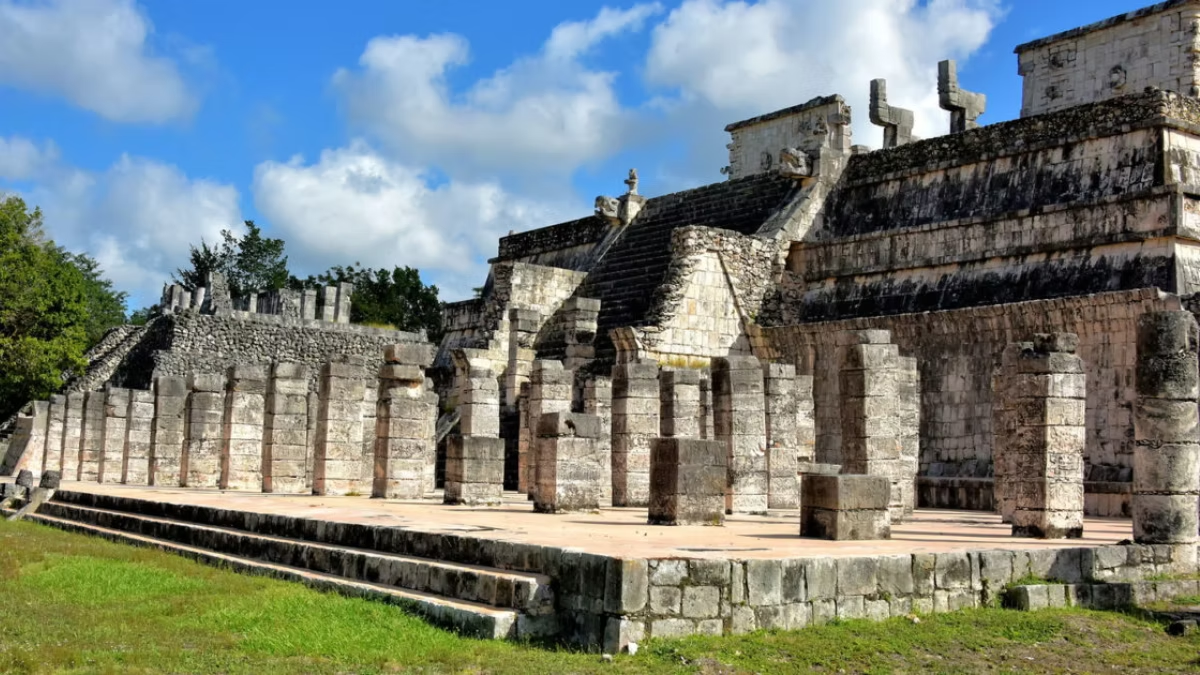
Temple of the Warriors
A large stepped pyramid flanked by hundreds of carved columns depicting Mayan warriors. At its summit sits the famous Chac Mool sculpture — a reclining figure used in ritual ceremonies. One of Chichén Itzá’s most photographed structures after El Castillo.
Know more →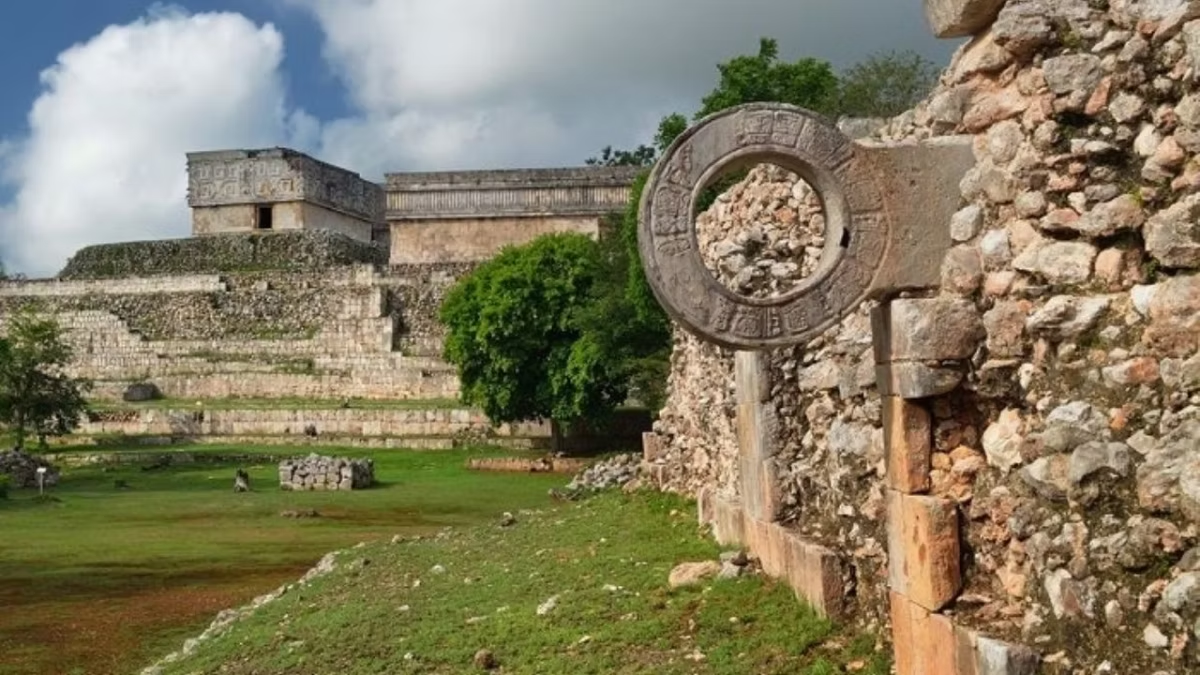
The Great Ball Court
The largest ancient ball court in all of Mesoamerica, stretching 168 metres in length. The walls feature incredible carved relief panels depicting players and ritual sacrifice. The court’s acoustics are so precise that a whisper at one end can be heard clearly at the other.
Know more →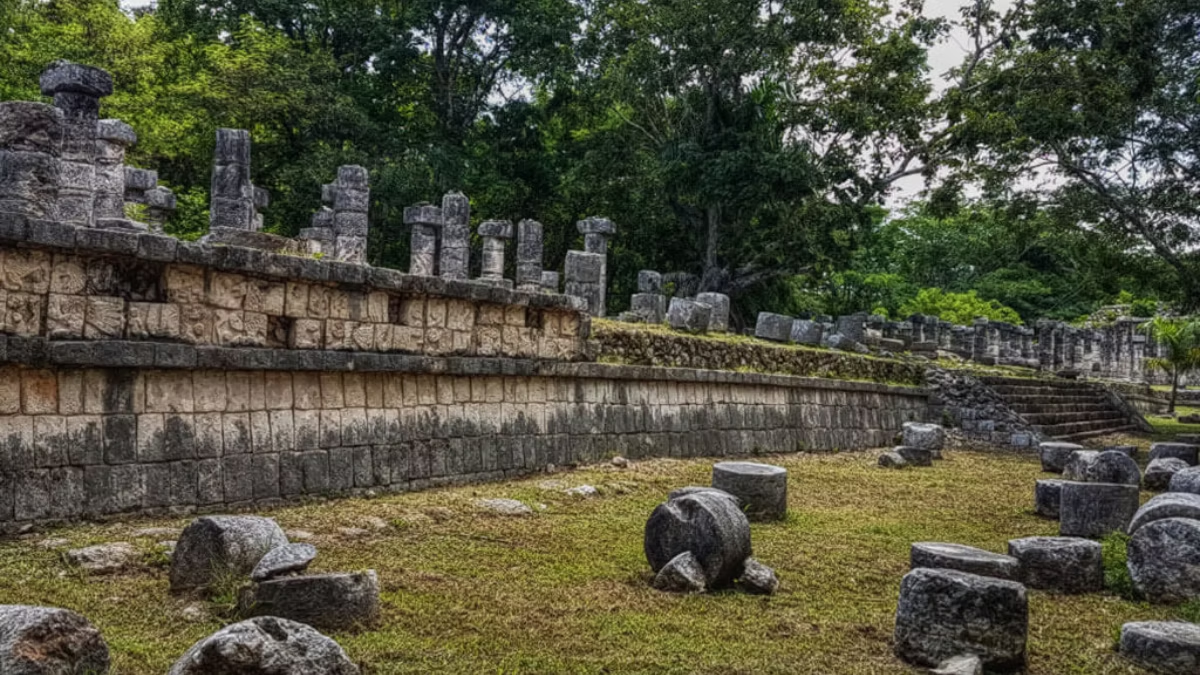
Group of a Thousand Columns
A sprawling forest of carved stone columns directly adjacent to the Temple of the Warriors. Once covered by a perishable roof, this colonnaded hall is thought to have been a marketplace or gathering space for the city’s elite. An atmospheric and often overlooked highlight.
Know more →Sacred & Spiritual Sites
Ritual spaces, sacred water, and the astronomical knowledge woven into every stone.
The Sacred Cenote
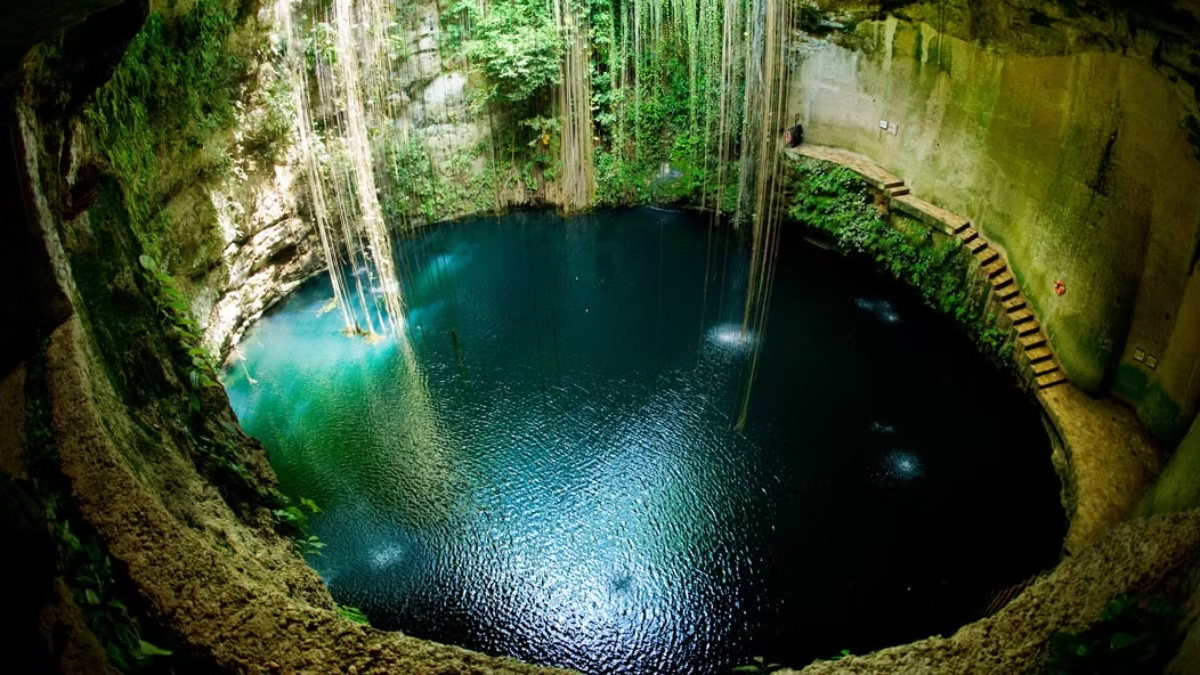
A 60-metre-wide natural sinkhole that served as the primary site of ritual sacrifice and offerings to the rain god Chaac. Archaeologists have recovered gold, jade, pottery, and human remains from its depths. A short walk north of El Castillo along the ancient sacbé (white road).
Read more →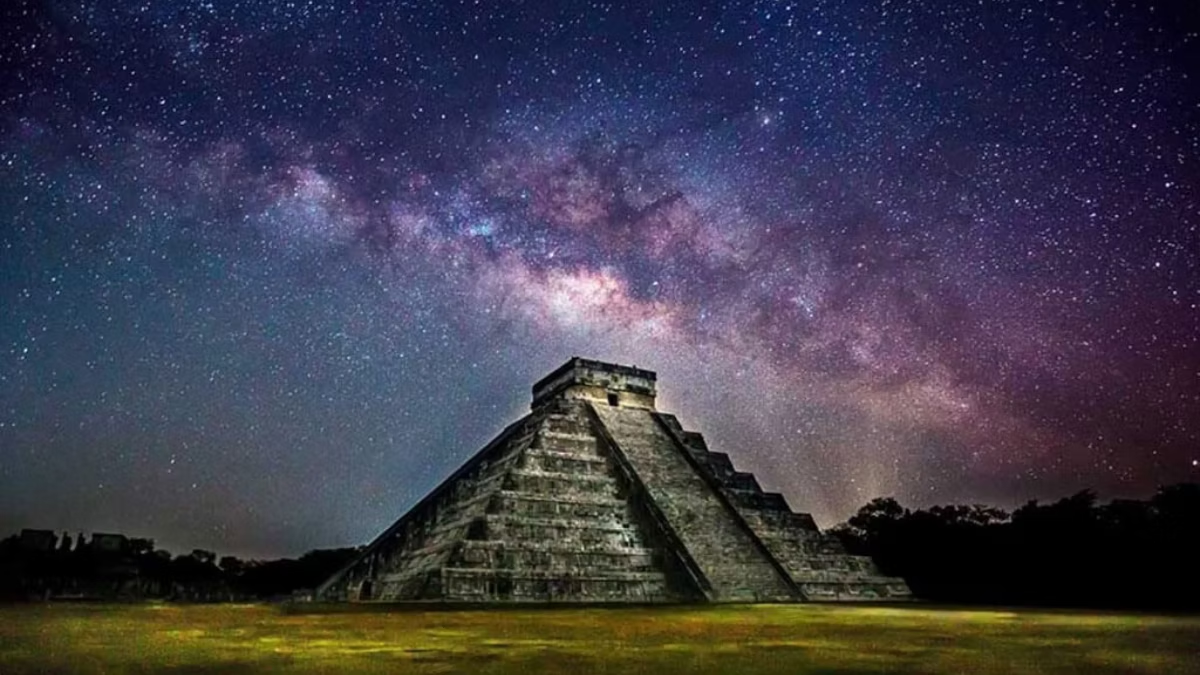
Maya Astronomy & the Calendar
The ancient Maya were among the most sophisticated astronomers of any civilisation. Understand how Chichén Itzá’s temples were designed to track celestial events, how they developed the 365-day solar calendar, and what the famous equinox serpent effect actually means.
Read more →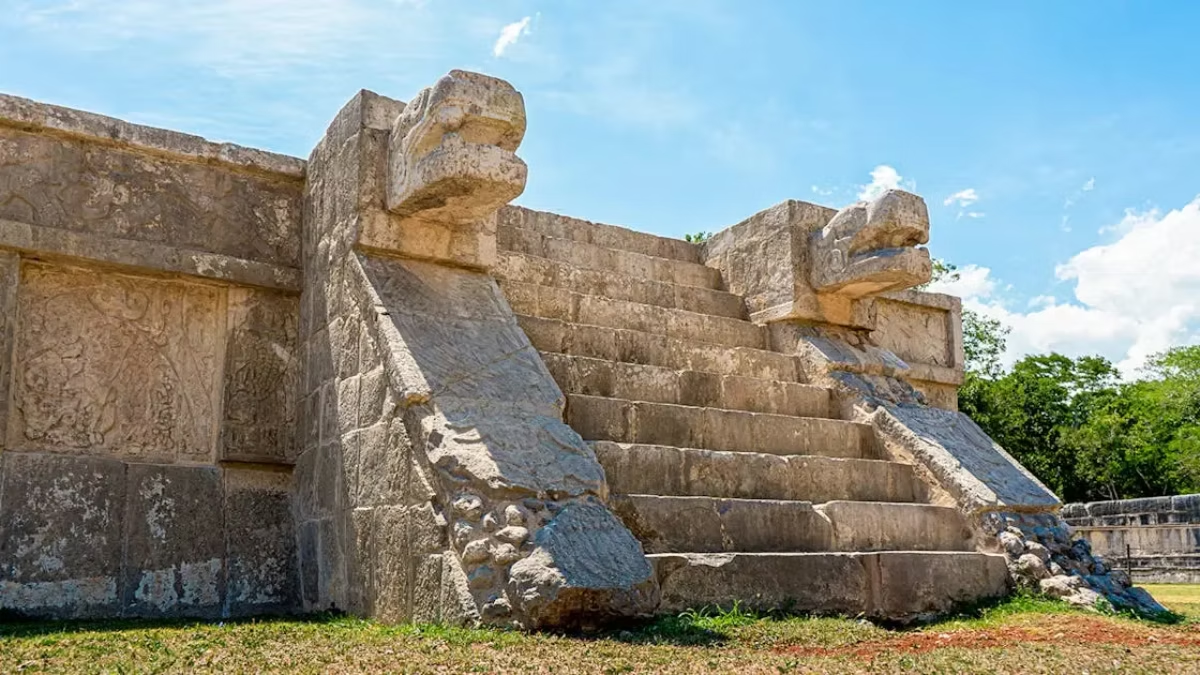
Symbols & Carvings
Every surface at Chichén Itzá tells a story. Feathered serpents, jaguar thrones, warrior reliefs, skull racks, and hieroglyphic inscriptions are carved across temples and platforms. Learn how to read the visual language of the ancient Maya and what each motif represents.
Read more →Beyond the Main Zone
Quieter areas and deeper history for visitors who want to explore further.
Old Chichén & the Nunnery Complex
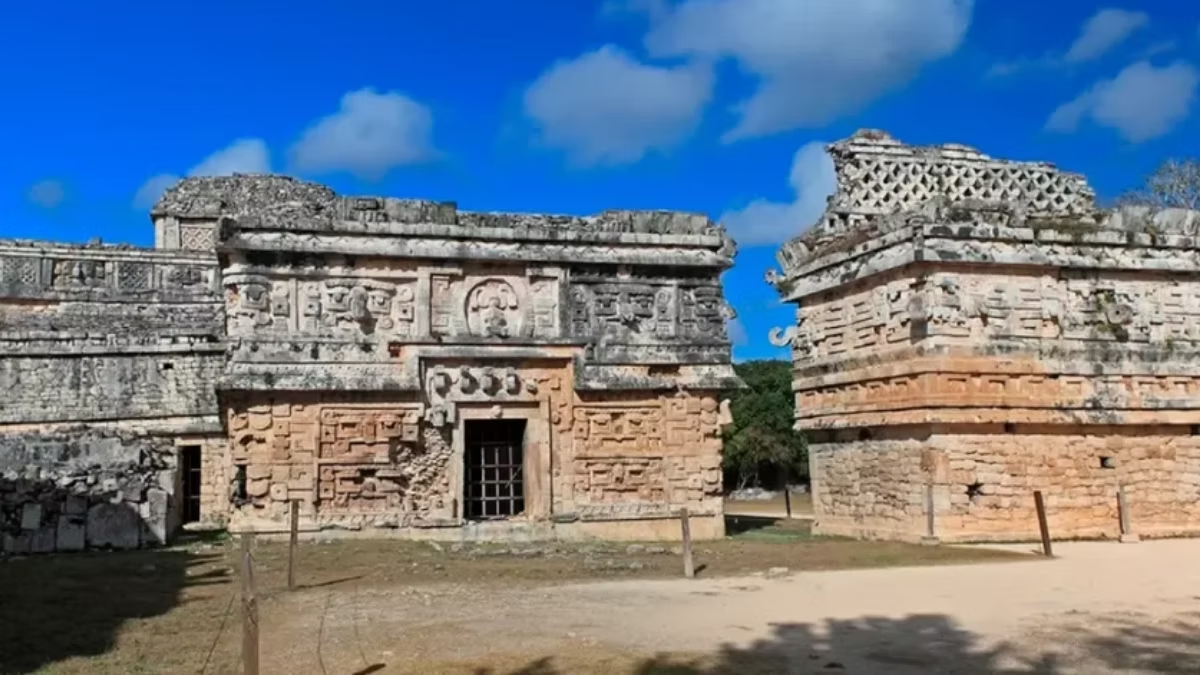
The older southern section of the site predates the famous northern zone by several centuries and showcases a different architectural style. The Nunnery Complex features elaborate mosaic façades with repeating Chaac masks. Far fewer visitors venture here, making it a quieter and rewarding detour.
Read more →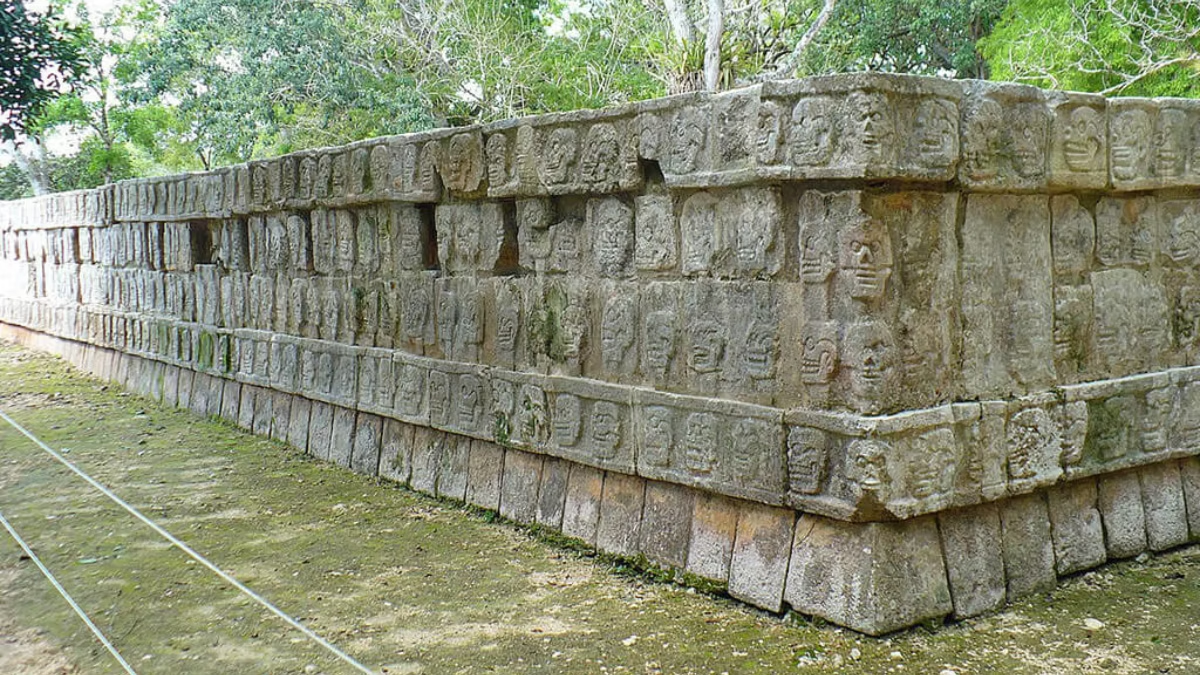
Tzompantli — Platform of Skulls
A low stone platform covered on all sides with carved rows of skulls, used to display the actual skulls of sacrificial victims and defeated warriors. Situated between El Castillo and the Temple of the Warriors, it is a sobering reminder of the ritual life of ancient Chichén Itzá.
Read more →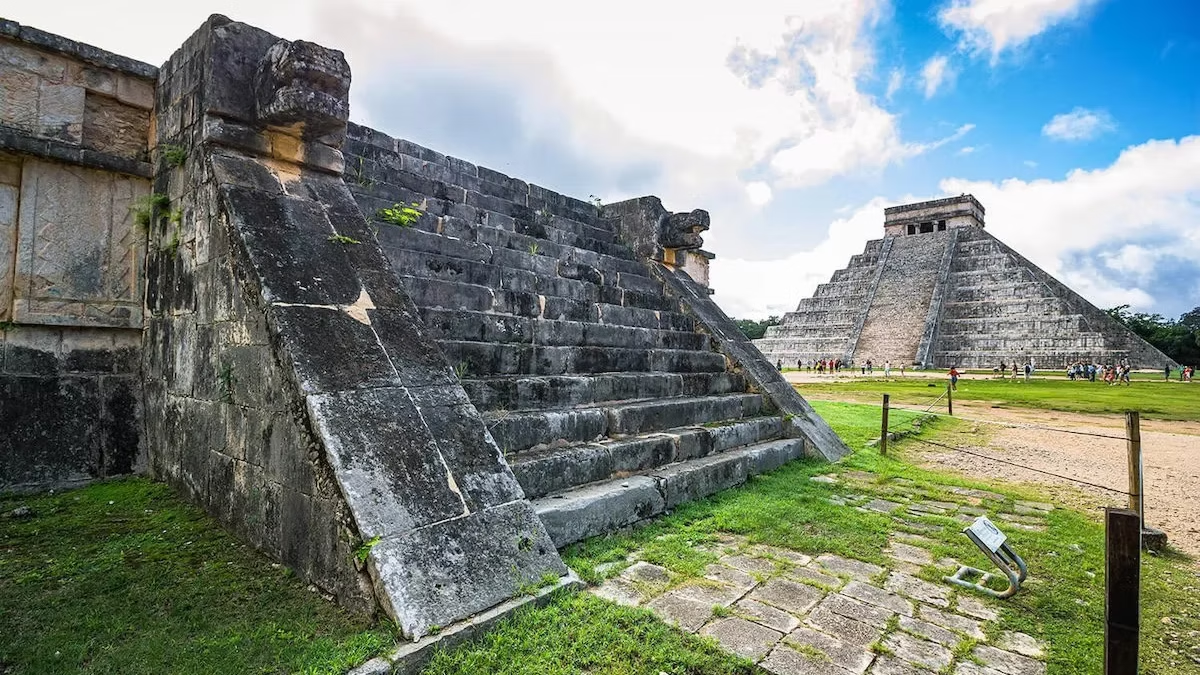
History of Chichén Itzá
From its founding around 600 AD through its rise as a regional capital, the arrival of Toltec influence, and its eventual abandonment — understand the full arc of this city’s 1,000-year history and how it was rediscovered by modern archaeologists.
Read more →How to Choose What to See
A quick guide based on your interests and visit style.
Best for First-Time Visitors
- Start with El Castillo — walk all four sides to appreciate its scale and precision
- Head straight to the Great Ball Court before crowds build
- Walk north to the Sacred Cenote along the ancient white road
- Finish at the El Caracol Observatory in the southern zone
Best for History & Archaeology Lovers
- Deep-dive into the symbols and carvings across multiple structures
- Explore Old Chichén for its distinct earlier architectural style
- Study the Tzompantli and Platform of Eagles and Jaguars
- Read the full history of the city before you visit
Best for Astronomy & Science Enthusiasts
- Visit during the spring or autumn equinox for the serpent shadow effect
- Spend extra time at El Caracol and its astronomical alignments
- Read about Maya astronomy and the calendar system beforehand
- Count the 365 steps of El Castillo and understand their solar significance
Best for Photographers
- Arrive at opening time (8 AM) — El Castillo in golden morning light with no crowds is unmissable
- The Thousand Columns create dramatic long-corridor compositions
- The Great Ball Court walls offer stunning close-up relief detail shots
- Old Chichén’s mosaic façades are exceptional for architectural macro photography
Continue Exploring Chichén Itzá
Book your tickets and plan the practical details of your visit.
Tickets & Tours
Compare entry tickets, guided tours, early access experiences, private tours, cenote combos, and tours from Cancun, Playa del Carmen, and Tulum.
Explore ticket options →
Plan Your Visit
Opening hours, how to get there, best time to visit, what to bring, safety tips, where to stay nearby, and everything else you need to know before you go.
Read the visitor guide →Frequently Asked Questions
Common questions about what to see and prioritise at Chichén Itzá.