

Safety, Scams & Vendors Inside the Site
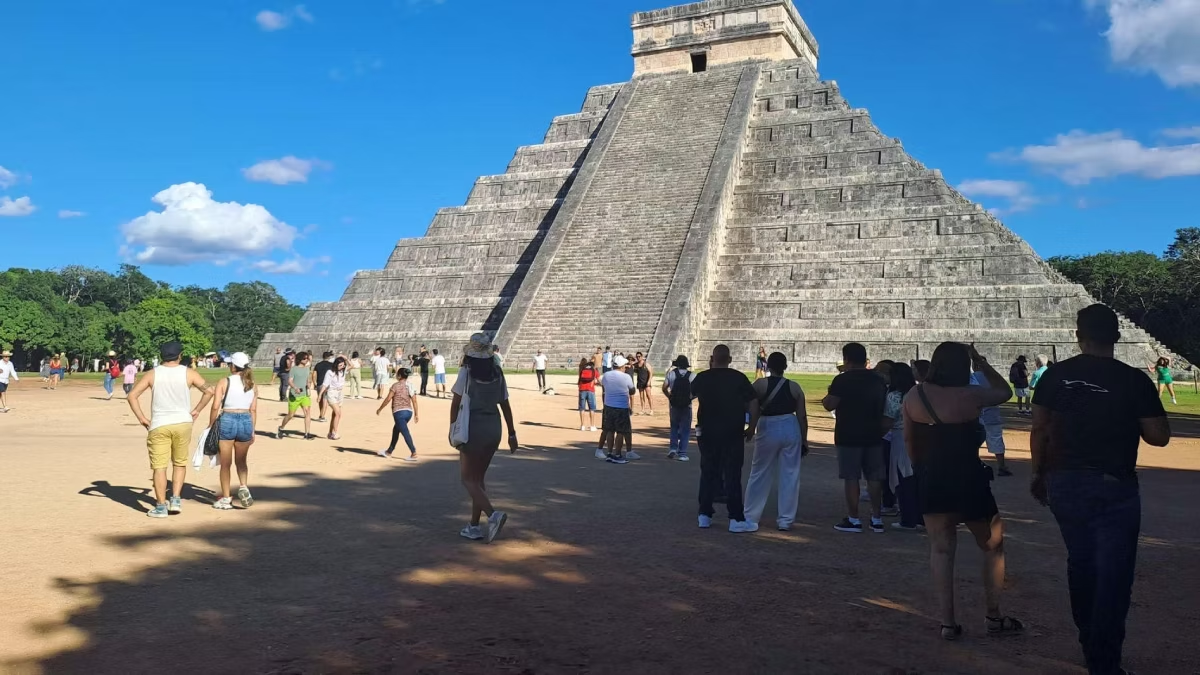
Chichén Itzá is one of the safest major attractions in Mexico — heavily policed by federal guards and Yucatán state security, safe for solo travelers, and protected by presidential decree since 1986. Violent crime is essentially non-existent on-site. However, visitors should be aware of a handful of common non-violent scams: fake ticket resellers online, “shorter line” touts on the approach road, unofficial parking operators, the “one dollar to look” vendor trick, and fake night-show or hot-air balloon ride sellers. Pickpocketing can happen in crowded queues. Stray dogs wander the site (don’t feed them). Banned items at security include drones, tripods, Bluetooth speakers, professional cameras, and alcohol — all confiscated at the bag check. The safest approach: book tickets through authorized resellers or at the official gate, ignore roadside touts, arrive at 8 AM before vendor density peaks, and keep cash and documents in a front pocket or cross-body bag.
Chichén Itzá is safe to visit. That should be stated up front because the question comes up often, and the answer is a clear yes. However, like any heavily touristed site in Mexico, it attracts a secondary economy of touts, aggressive vendors, and small-scale scams that you should know about before you go. This guide covers exactly what to watch for — the scams that actually happen, the vendor dynamics inside the archaeological zone, the items security will confiscate at the gate, and the simple steps that keep your visit smooth.
Is Chichén Itzá Safe?
Yes, Chichén Itzá is one of the safest major attractions in Mexico. The site has been protected by presidential decree since 1986, with permanent presence from the Mexican National Guard, federal INAH security, and Yucatán state police. Violent crime against tourists is essentially non-existent inside the archaeological zone. The state of Yucatán itself is consistently ranked among the safest in Mexico, with crime rates lower than many parts of the United States. The most common issues visitors face are non-violent scams, vendor aggression, and pickpocketing in crowded queues — not physical danger.
A few context points on safety:
- Yucatán state is one of the two safest states in Mexico (alongside Campeche), with homicide and violent crime rates far below the national average
- Solo female travelers consistently report feeling safe both on-site and in the surrounding towns (Pisté, Valladolid, Mérida)
- Families with children have no particular safety concerns beyond the usual heat and sun exposure
- The drive from Cancún or Mérida on toll Highway 180D is safe in daylight hours; avoid night driving on rural free roads
The realistic security worries at Chichén Itzá are financial, not physical. Most visitors leave with wallets slightly lighter than they intended, not with anything worse.
The Common Scams to Watch For
The most common Chichén Itzá scams are: fake online tickets from unauthorized resellers that don’t cover both INAH and CULTUR fees; “the line is two hours long” touts on the approach road who steer you to overpriced unofficial parking and ticket sellers; unofficial parking lots charging 80–100 MXN for spots far from the entrance; the “one dollar to look” vendor trick where handing something back costs far more than $1; fake Noches de Kukulkán night-show ticket sellers outside the gate; and pickpocketing in crowded ticket queues between 10 AM and 1 PM.
Scam 1: The “Shorter Line” Road Tout
On the approach roads to Chichén Itzá — especially on Highway 180D coming in from Mérida or Cancún — you’ll sometimes encounter official-looking men in vests who flag you down claiming the parking is full, the ticket line is two hours long, and they can offer a “shorter line” for a fee. This is a lie. The ticket line is manageable if you arrive by 8 AM, parking is rarely completely full except on equinox days, and the “shorter line” these touts steer you to is typically an overpriced unofficial vendor or a combo-with-buffet trap.
What to do: Ignore them completely. Drive past anyone flagging you down. Continue to the official signed parking lot at the main entrance.
Scam 2: Fake Online Tickets
Some unofficial websites and sketchy ticket resellers sell “Chichén Itzá tickets” that only cover the federal INAH fee (~100 MXN), not the state CULTUR fee (~592 MXN). When you arrive at the gate, security finds your ticket is incomplete and you pay the difference at the booth — meaning you’ve paid twice.
What to do: Use only authorized resellers: book entry tickets here or at the official gate. Verify the listing says “includes CULTUR + INAH fees” or equivalent language.
Scam 3: Unofficial Parking Lots
Before you reach the main entrance, private landowners run unofficial parking lots on their driveways along Highway 180. They charge similar rates to the official lot (80–150 MXN) but are far from the entrance, often a 10–15 minute walk in the heat, and sometimes with no security.
What to do: The official parking lot is at the main entrance, clearly signed with INAH/CULTUR markings. If someone waves you into a side lot before you see the main entrance, continue driving.
Scam 4: The “One Dollar to Look” Vendor Trick
Inside the archaeological zone, vendors approach visitors holding small trinkets and say “one dollar, one dollar.” When you take the item to examine it, they tell you it’s “one dollar to look” and refuse to take it back, sometimes escalating to loud pressure for a higher price.
What to do: Don’t take items into your hands. If a vendor approaches, a firm “no, gracias” and walking away is enough. If you are interested in buying, agree on the price before touching anything, and have the exact cash ready.
Scam 5: Fake Noches de Kukulkán Tickets
Outside the entrance — particularly in the late afternoon — individuals sometimes sell “tickets” to the evening light show at inflated prices or for shows that don’t exist. Even more creative variants include “hot-air balloon rides over the ruins,” a service that does not exist at Chichén Itzá.
What to do: The official Noches de Kukulkán tickets are sold at the main entrance ticket booths from 3:00 PM on show days, or online at the official Noches de Kukulkán website. Anyone else selling night-show tickets is either a middleman or a scammer.
Scam 6: Inflated Taxi Prices
Taxis from Pisté, Valladolid, or nearby hotels can dramatically overcharge. A fair rate from Valladolid to Chichén Itzá is around 500–700 MXN one-way; some drivers will quote 1,200+ MXN to tourists.
What to do: Agree on the price before getting in. Ask hotel reception for the fair rate. A regulated taxi stand is usually cheaper than a driver who approaches you on the street.
Scam 7: Pickpocketing in Crowded Queues
Not a scam so much as opportunistic theft. The ticket booth queues between 10 AM and 1 PM are the single densest crowds at the site, and pickpockets target back-pocket wallets and unzipped bags.
What to do: Keep your wallet, phone, and passport in a front pocket or a cross-body bag worn to the front while queuing. Consider an anti-theft day bag. Don’t leave bags on the ground.
Vendors Inside the Archaeological Zone
Vendors selling wooden masks, obsidian jaguars, blankets, and small Maya-style trinkets line the pathways inside Chichén Itzá’s archaeological zone from roughly 10:30 AM onward. Technically they are not permitted inside the zone, but enforcement is inconsistent. Most vendors are polite and accept “no, gracias” without pushing; a minority use aggressive sales tactics (the “one dollar to look” trick, emotional appeals, fake handcraft claims). Prices are negotiable — offer 30–50% of the asking price. Many “handmade” items are mass-produced resin or Chinese imports, not genuine Maya craft. Arriving at 8 AM means you’ll see the site with few or no vendors present.
What Vendors Typically Sell
- Wooden or ceramic jaguar masks — the classic Chichén Itzá souvenir, rarely handmade despite claims
- Obsidian carvings — small figurines of jaguars, serpents, and Maya deities
- Textiles and blankets — often machine-loomed in Guatemala or Mexico, not hand-woven
- Jewelry — silver, turquoise, and mass-produced costume pieces
- T-shirts, keychains, magnets — standard tourist souvenirs
How to Handle Vendor Interactions
- A polite “no, gracias” and continued walking is usually enough
- Don’t take items into your hands unless you’re genuinely planning to buy
- Negotiate before touching — 30–50% of the asking price is a reasonable starting offer
- Buy at the entrance plaza (outside the archaeological zone) where the market is more regulated, rather than inside
- Pay in Mexican pesos cash — prices in USD are often inflated
When Vendors Are Least Present
Vendors mostly set up between 10:00 AM and noon and stay until mid-afternoon. If you arrive at 8:00 AM opening, the first 60–90 minutes on-site are genuinely vendor-free — another major benefit of the early-morning strategy.
Items Banned at Security
Security checkpoints at the entrance turnstile inspect bags. The following items are confiscated or require you to leave them in a locker (50 MXN fee):
- Drones — absolutely banned, seized without return; fines possible
- Tripods — banned without prior INAH permission
- Professional cameras and large camera rigs — permit required
- Bluetooth speakers — banned
- Alcohol — banned
- Food — not permitted inside the archaeological zone (only water)
- Large luggage — must be stored at the entrance locker facility
Phones, small cameras (GoPros, mirrorless cameras without tripods), sunscreen, hats, small backpacks, and water bottles are all fine.
Stray Dogs On-Site
Chichén Itzá has a small population of stray dogs that sneak past the perimeter — they’re friendly and visibly underfed. Resist the urge to pet or feed them: site security will reprimand you, and the dogs themselves are not supposed to be there. If one follows you, keep walking.
Safety Tips Summary
- Arrive at 8 AM — fewer vendors, fewer scammers, fewer pickpockets, cooler heat
- Book tickets through authorized online resellers or at the official gate
- Ignore all roadside touts promising shorter lines or special deals
- Don’t take items from vendors into your hands unless negotiating seriously
- Carry cash in Mexican pesos in a front pocket or cross-body bag
- Don’t bring drones, tripods, alcohol, or food — they’ll be confiscated
- Don’t feed the stray dogs
- Drive on toll Highway 180D in daylight — safe and well-maintained
- Stay on designated paths inside the site; the surrounding jungle has snakes and insects
- Climbing the pyramids will get you arrested — fines are severe
- Use ATMs in Valladolid or Pisté before arriving — the on-site ATM is unreliable
- If something goes wrong, INAH security and the National Guard are both present on-site; flag down any uniformed officer
What to Do If You Get Scammed
If you suspect a scam has occurred on-site:
- Note details — location, description of the individual, amount paid
- Report to the nearest security or INAH staff — they’ll typically respond, especially for ticket fraud
- Keep your receipts — evidence for disputing charges later
- Contact your tour operator if booked through one — they usually pressure for resolution
- Leave a Tripadvisor or Google review describing the incident — it protects future travelers
For broader planning context, see our things to know before visiting Chichén Itzá guide covering site rules, dress code, and banned items in full.
Frequently Asked Questions
Is Chichén Itzá safe for solo female travelers?
Yes. Chichén Itzá is considered safe for solo female travelers, with heavy security presence (National Guard, INAH guards, state police), well-lit areas, and a general absence of violent incidents on-site. Many solo women visit without issue. Standard travel precautions — awareness of surroundings, securing valuables, avoiding isolated areas at night — apply as anywhere.
Are there pickpockets at Chichén Itzá?
Pickpocketing does occur, particularly in the crowded ticket booth queues between 10 AM and 1 PM and at busy spots near El Castillo during peak hours. Keep your wallet in a front pocket, wear day bags on the front, and avoid leaving belongings on the ground.
Are the vendors at Chichén Itzá aggressive?
Most vendors are polite and accept a firm “no, gracias” without issue. A minority use aggressive tactics — the “one dollar to look” trick, emotional appeals about feeding families, or following visitors for long stretches. Arriving at 8 AM avoids the vendor rush almost entirely.
Can I buy Chichén Itzá tickets online safely?
Yes — through authorized online resellers, all of which are verified sellers. Make sure the listing explicitly states “includes INAH + CULTUR fees” — a small number of cheap listings cover only one fee, forcing you to pay the other at the gate.
Is it safe to drive to Chichén Itzá?
Yes, especially on toll Highway 180D which is well-maintained, patrolled, and straightforward. Avoid driving after dark on rural highways where wildlife and unlit vehicles pose hazards. Carry cash in Mexican pesos for tolls and parking.
What happens if I climb El Castillo?
Climbing is strictly prohibited, and attempts are caught quickly by security patrols. Offenders are typically escorted out of the site, fined significantly, and in some cases briefly detained. No exceptions for any visitor or circumstance.
Can I bring a drone to Chichén Itzá?
No. Drones are strictly banned without prior written INAH permission, which is difficult to obtain and requires a fee. If you bring one, it will be confiscated at security or seized if flown. Violators face significant fines.
Are the hotels near Chichén Itzá safe?
Yes. Hotels in Valladolid, Pisté, and the on-site hacienda zone are all considered safe. Crime rates in these areas are low, hotels have night security, and Yucatán state as a whole has one of the lowest crime rates in Mexico.
What should I do if I feel unsafe at Chichén Itzá?
Site security (INAH guards in uniform) is visible throughout the archaeological zone. Flag down any uniformed officer for help. The Mexican National Guard also maintains a permanent presence at the main entrance. For non-emergency concerns (overcharging, persistent vendors), report at the visitor center near the entry plaza.
